[ 01 ]

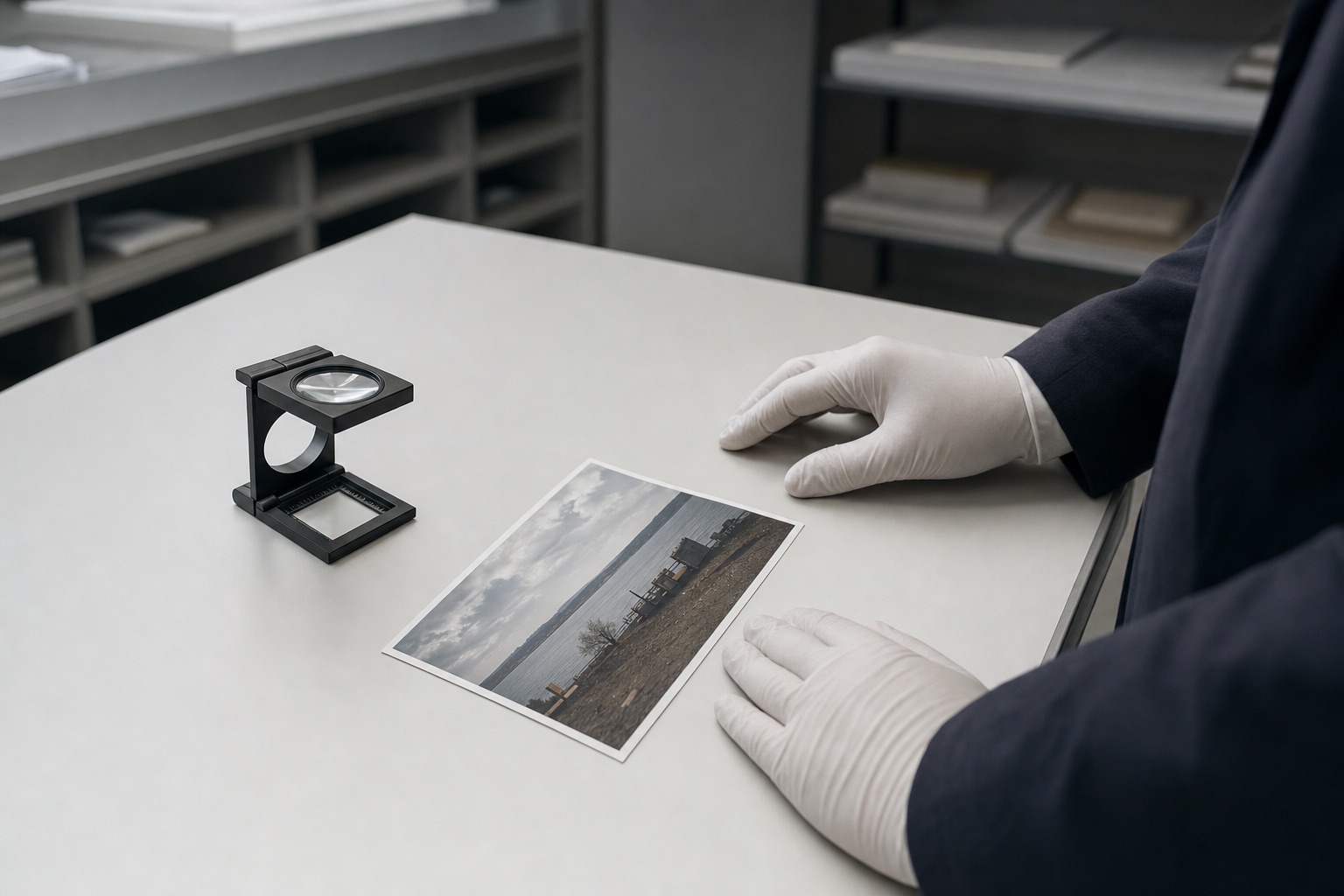
A photo is entered as evidence. Can you show, defensibly, where it was actually taken?

Legal / Evidence

Legal Evidence Photo Verification

Establish where a photo was taken, with evidence you can defend.

Request Enterprise access
Legal Evidence Photo Verification

Phase 1

01:   The Problem
Photographic evidence often arrives without trustworthy metadata, and opposing parties know it. Counsel needs a documented, repeatable way to establish or contest where an image was captured, not a screenshot from a consumer maps app.
DocumentedReasoning attached
No EXIFContent-based read
RepeatableSame input, same method
Legal Evidence Photo Verification
Analysis
Workflow
Evidence

Phase 2

02:   How It Works
01Submit the photograph or a video frame.
02Oceanir produces a location read with the visual evidence it relied on.
03A reality check against street-level ground truth gates confidence.
04Export the read and the reasoning for the case file.
Request Enterprise access
Workflow

Phase 3

03:   Where It Is Used
Evidence corroboration
Support where a photo was captured with documented visual reasoning.
Challenge a location claim
Surface clues that contradict an opposing party's stated location.
Investigation support
Turn an undated, unlabeled image into a location lead.
Litigation teamsInvestigatorsE-discovery
Use cases

Establish where evidence was captured

Get a documented location read with the reasoning attached, ready for the case file.

Request Enterprise access
Verify First
Then Decide

Why Oceanir

Oceanir attaches the visual reasoning behind every location read and gates confidence with a reality check, so the result is documented and repeatable rather than an unexplained label. It works from image content, not EXIF, which is routinely stripped or disputed.

Admissibility is determined by the court. Oceanir provides documented reasoning and a confidence gate built to support that review, rather than an unexplained label.

Oceanir reads the visible content of the image, not EXIF or GPS, so it works on evidence where metadata has been stripped or is in dispute.

Yes. The same image runs through the same method, and the read ships with the visual reasoning behind it so it can be reviewed and reproduced.