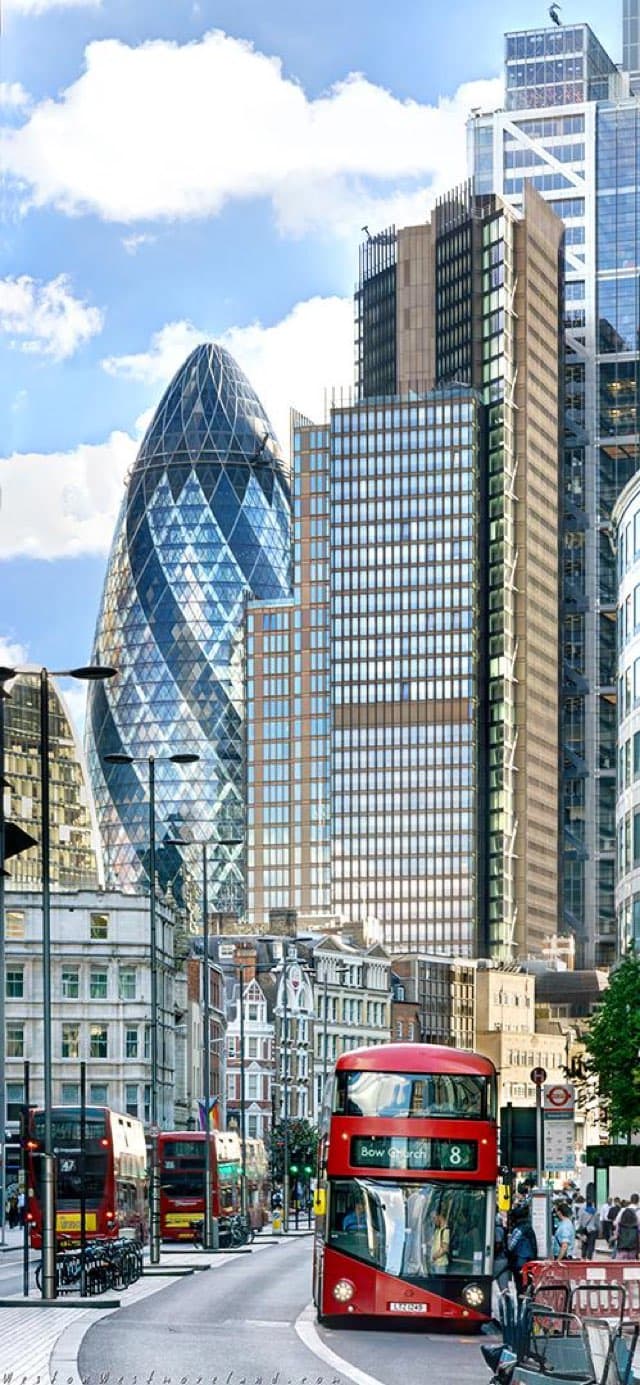
London street photo
City of London, United Kingdom
The rounded tower with a diagonal facade is a distinctive landmark to compare with the Gherkin.
Inspect the example and try the scan
Photo location examples
Start with a photo whose city is known. Inspect its landmarks and layout, then run a fresh Surface scan to see what Oceanir actually returns.
These are teaching examples, not saved model predictions or accuracy benchmarks. The known city helps you check the answer; it does not establish an exact camera position.
City of London, United Kingdom
The rounded tower with a diagonal facade is a distinctive landmark to compare with the Gherkin.
Inspect the example and try the scan

Chicago, Illinois, United States
The river, pedestrian walkway, and steel bridge give you a layout to compare with a map.
Inspect the example and try the scan
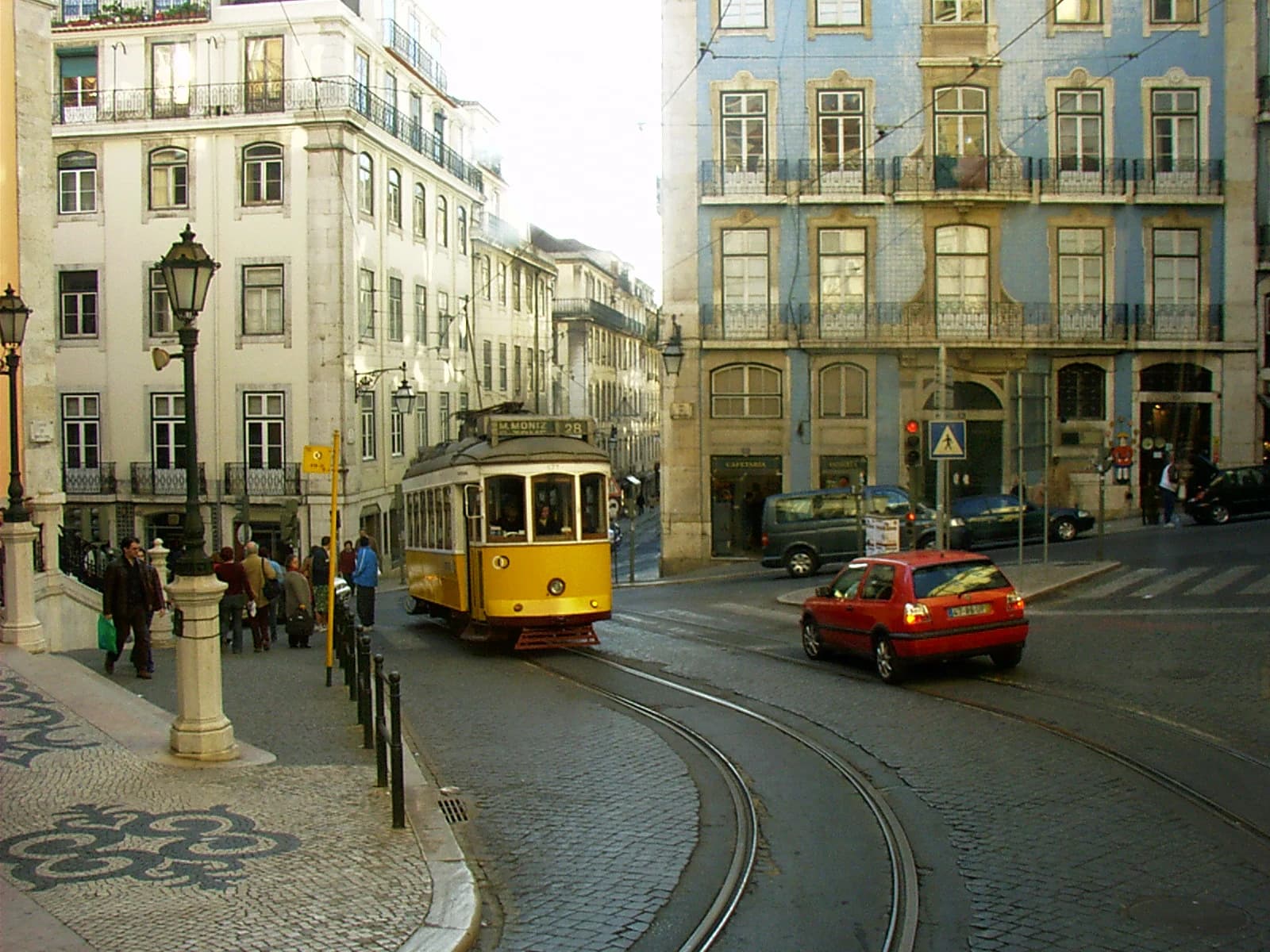
Lisbon, Portugal
The yellow tram's route display is a lead to investigate, not enough to establish the camera position.
Inspect the example and try the scan
Photo: Mdiagom · CC BY-SA 3.0 · Converted to WebP; no crop.
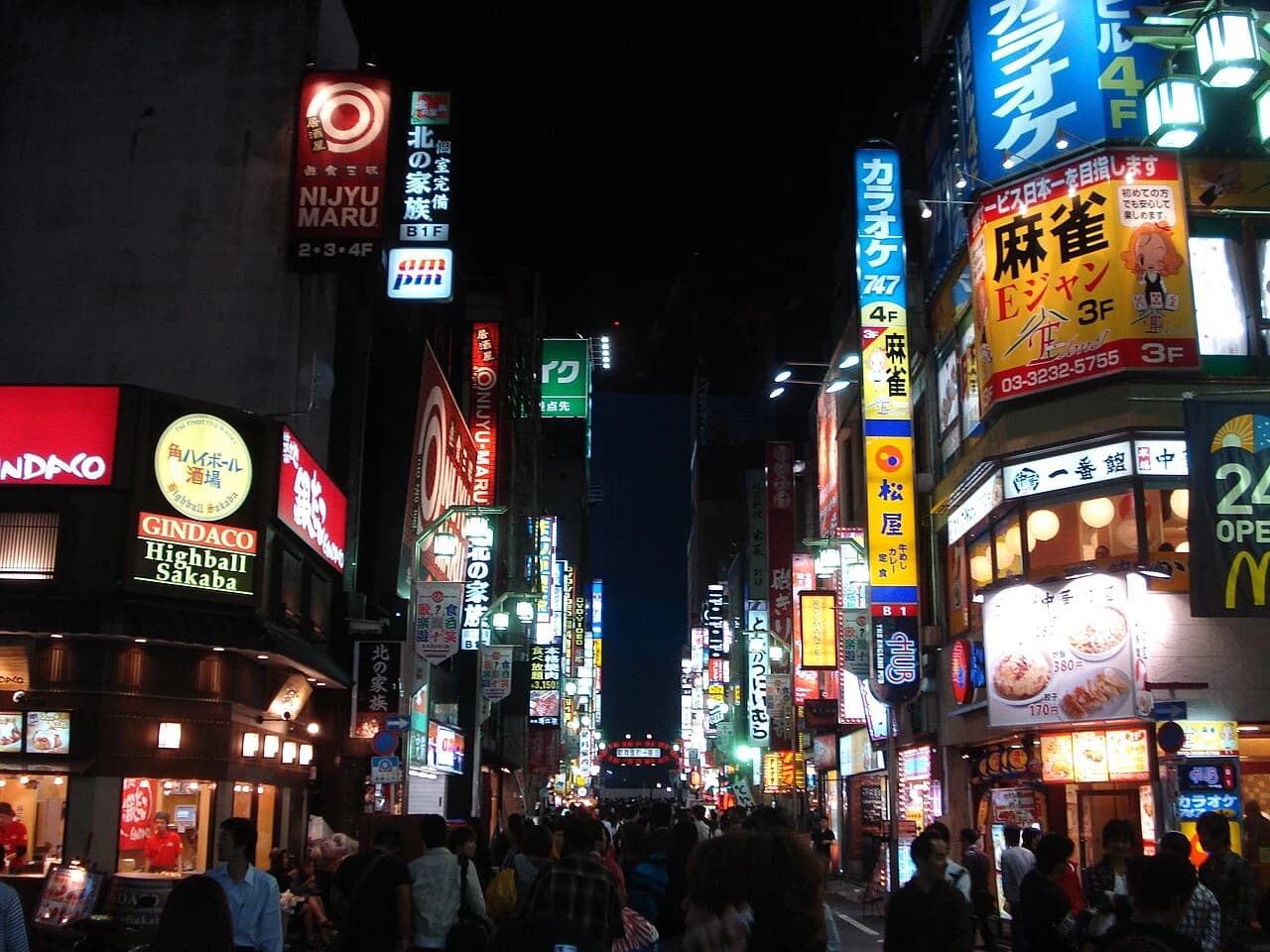
Shinjuku, Tokyo, Japan
The Japanese writing and illuminated business signs provide readable details to investigate.
Inspect the example and try the scan
Photo: Carles Tomás Martí · CC BY 2.0 · Resized and converted to WebP; no crop.
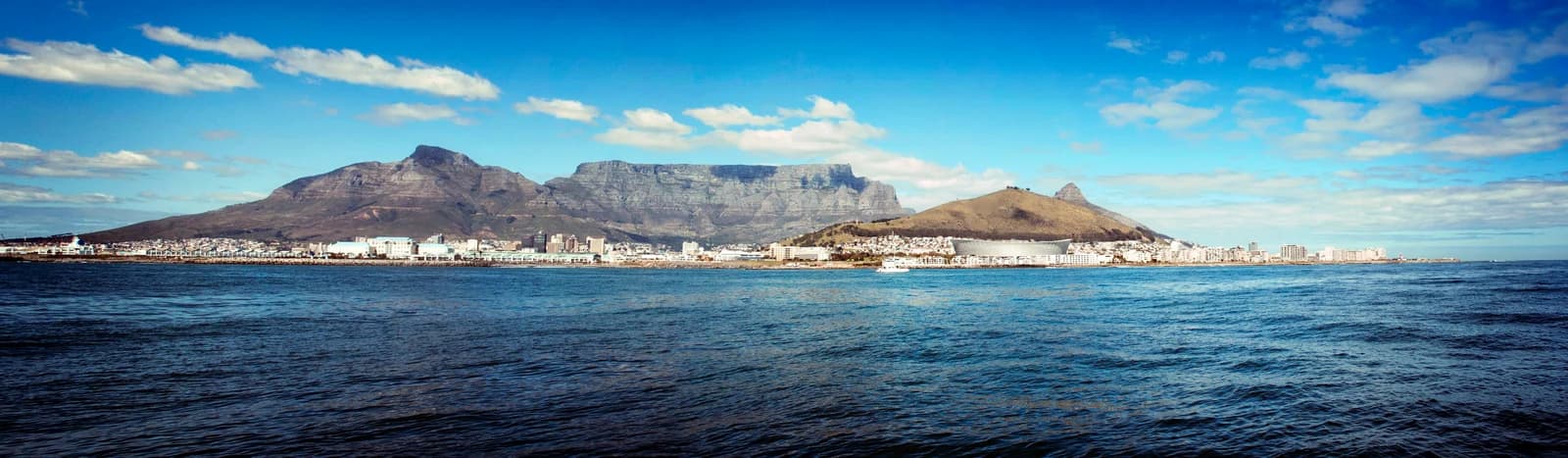
Cape Town, South Africa
The broad flat-topped mountain and the neighboring peaks give you a skyline shape to compare.
Inspect the example and try the scan
Photo: Darryn van der Walt · CC BY-SA 3.0 · Resized and converted to WebP; no crop.
A city estimate is a starting point. In the workspace, review candidate areas, the visual clues behind them, and available reference imagery. Compare buildings, roads and signs, and look for contradictions before accepting a location. Deeper review uses credits and can still return a broad area or an unresolved result.
Two real photos with locations documented by their photographers. These are teaching examples, not Oceanir predictions or an accuracy test. Open a photo to inspect the full image.
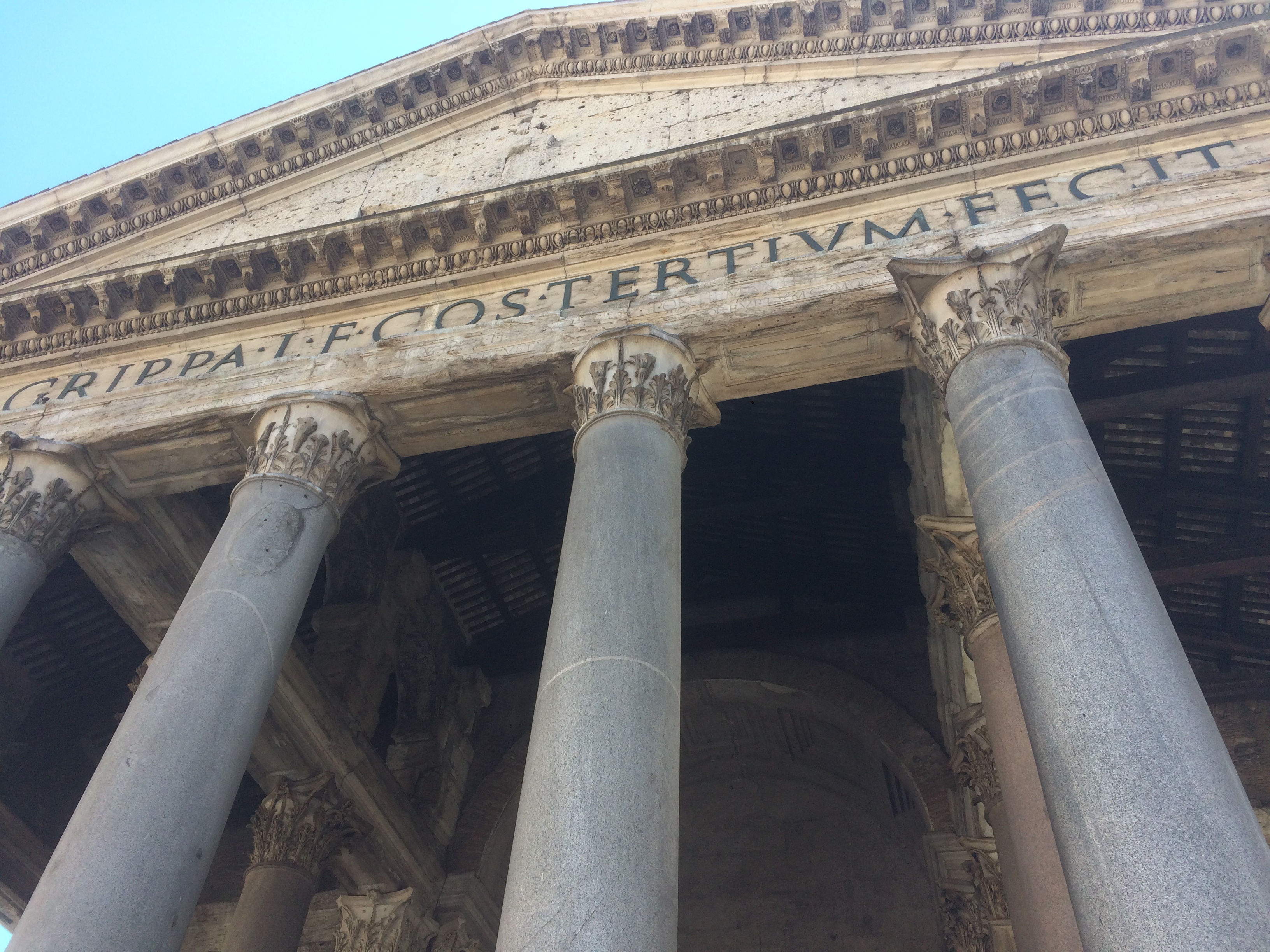
The source identifies the Pantheon in Rome. That establishes the photographed landmark; this tight view alone does not establish the photographer’s precise position.
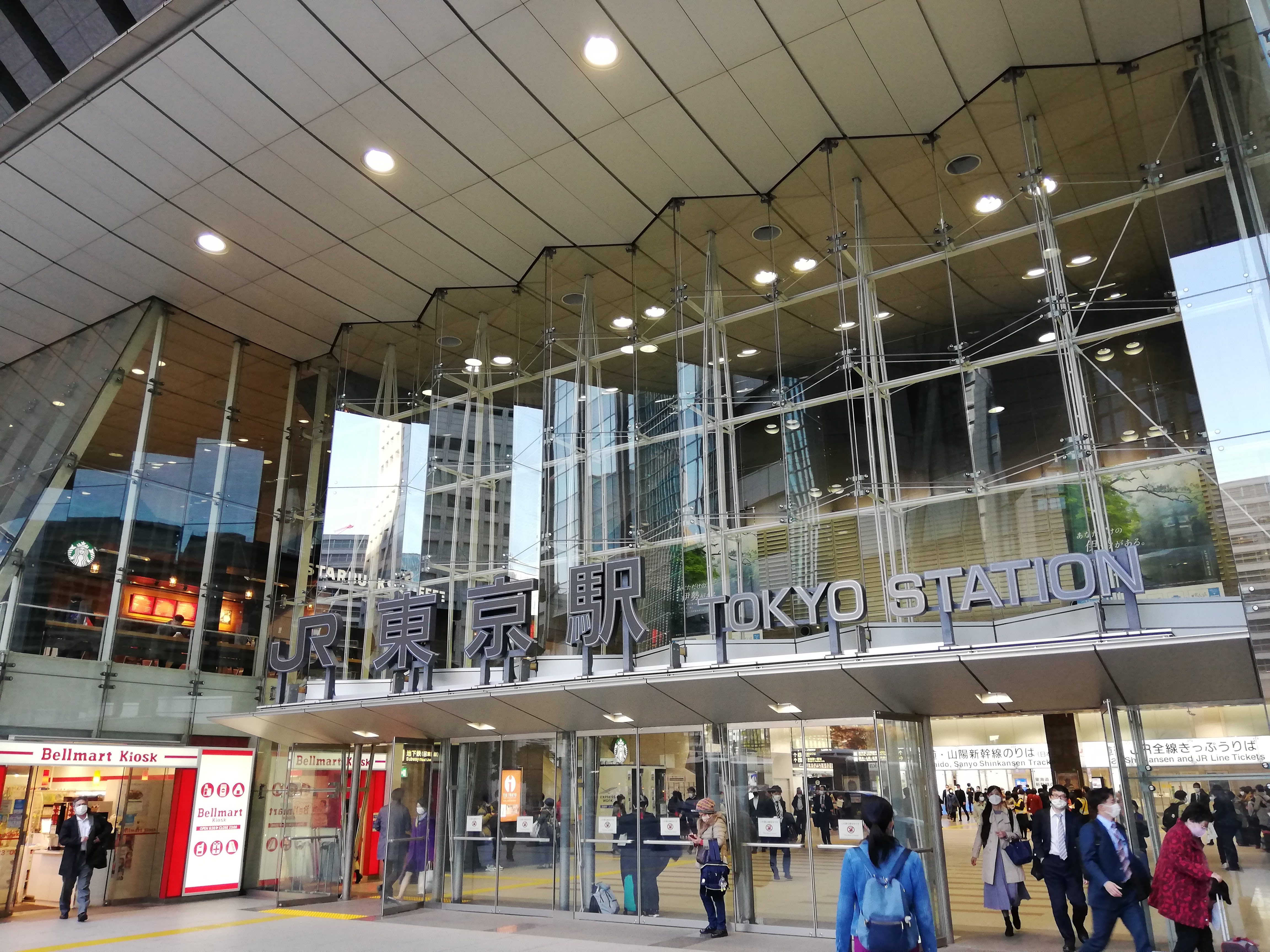
The photographer identifies the Yaesu North entrance. Check that specific entrance in dated reference photos, rather than accepting any pin at Tokyo Station.


